Hummingbirds can appear at your yard within days of putting out a feeder - if the setup is right. Most people either skip the natural plant layer or use the wrong nectar, and the birds simply move on.
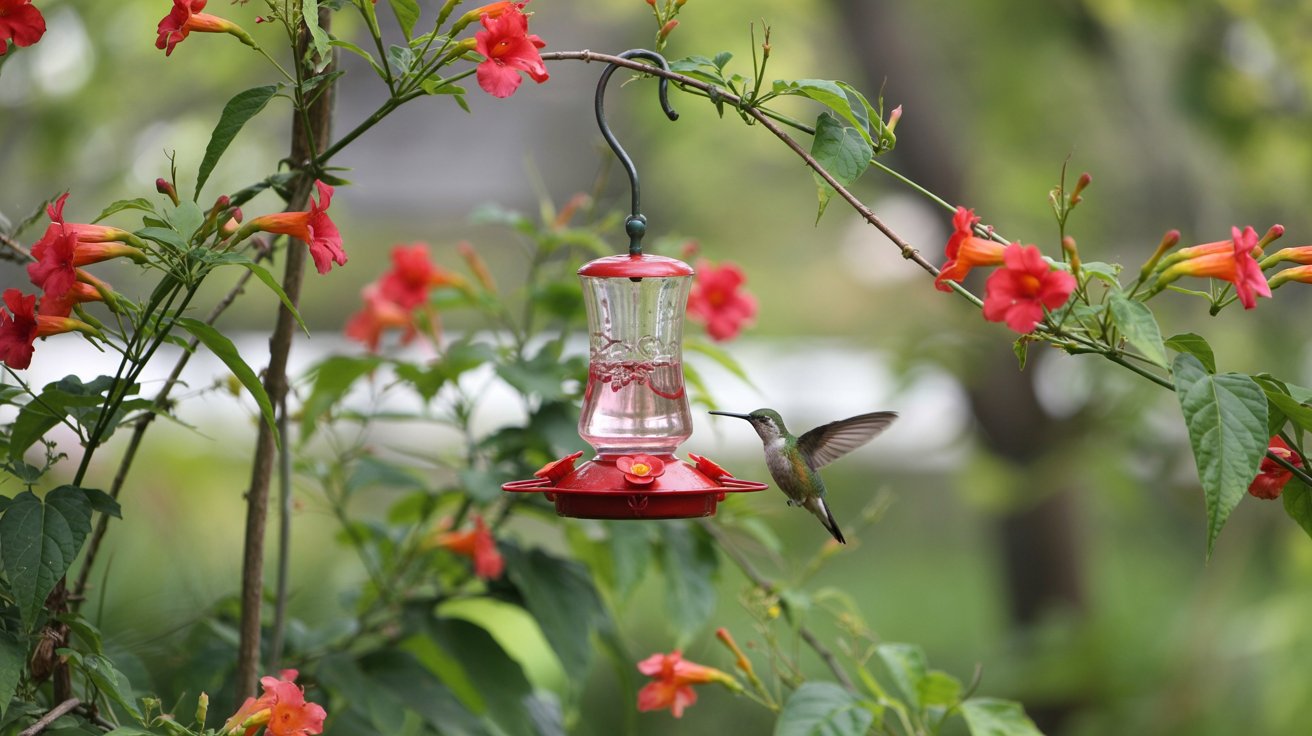
Getting both pieces working together is what turns occasional flyovers into regular visits.
The plan here covers four core actions: make safe nectar, position feeders correctly, plant native tubular flowers, and keep a simple maintenance schedule. Each step builds on the last.
Timing matters. Peak migration windows vary by region - ruby-throated hummingbirds arrive in the Southeast as early as late February, while western species like Anna's hummingbirds are year-round residents in coastal California.
Most US gardeners should have feeders up by late March to early April.
This guide is built around the hummingbird migration cycle, so you know what to do each month rather than guessing. Follow the steps in order and you can realistically expect first sightings within 1-3 weeks of setup in active migration zones.
Attract hummingbirds by combining a 1:4 sugar-water nectar recipe, correctly placed feeders, and native tubular flowers timed to bloom from spring through fall. Skip red dye, clean feeders every 2–3 days in heat, and have plants in the ground before migration peaks.
Prepare Nectar: the Recipe That Works
Hummingbirds need a simple sugar solution that mimics flower nectar. The Cornell Lab nectar recipe is clear: use 1 part white granulated sugar to 4 parts water - nothing else.
Remember it later
Planning to try this recipe soon? Save it for a quick find later!
Honey ferments quickly and can cause fatal fungal infections; artificial sweeteners have no calories and will starve the birds.
Red food dye is unnecessary and potentially harmful. Modern feeders already use red plastic parts to attract attention, so there is no reason to add color to the solution.
A batch of nectar made with 4 cups of water costs under $0.05 to produce. There is no benefit to buying pre-made nectar solutions, and many commercial mixes include additives that serve marketing rather than birds.
In hot climates like the Southwest and Southeast, nectar can ferment in under 36 hours during summer. Check feeders daily in July and August and fill only what birds can drink in a day.
Place and Maintain Feeders for Best Results
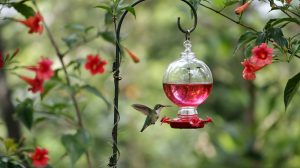
Where you hang a feeder matters as much as what's in it. Hummingbirds are territorial and prefer feeders with clear sight lines - they want to spot approaching rivals and predators.
Hanging a feeder inside dense shrubs is a common mistake that keeps birds away rather than drawing them in.
If you're still choosing between models, compare your feeder options by port count before committing to a placement strategy, since bottle-style and saucer feeders have different cleaning needs.
A single feeder with 4-6 ports handles most residential traffic. More feeders equal more birds during peak migration weeks in May and August.
Garden Plan: Native Nectar Plants and Seasonal Timing
Native tubular flowers give hummingbirds natural nectar, nesting habitat nearby, and insect prey - all in one planting. Audubon's native plant guidance emphasizes bright tubular flowers in red, orange, and pink as the most reliable attractors.
Think trumpet vine (Campsis radicans), cardinal flower (Lobelia cardinalis), bee balm (Monarda), and salvia species.
The goal is a staggered bloom sequence so nectar is available from April through October. No single plant blooms for six months, so you need three to four species with different peak windows.
Prep / plant
Active visits
Peak migration
Hummingbirds also need insects for protein - up to 60% of their diet during breeding season is small insects and spiders. Native plants support the insect populations hummingbirds depend on; exotic ornamentals generally do not.
Seasonal Care Calendar and Quick Safety Rules
A month-by-month routine keeps your setup working without wasted effort. The Smithsonian hummingbird overview notes that nectar quality and habitat consistency are the two factors most predictive of return visits year after year.
Birds remember reliable food sources across migrations.
Your yard's summer upkeep routine should fold in feeder checks so they don't get skipped during busy months.
Three non-negotiable safety rules: never use red dye, never use honey or brown sugar, and never let nectar sit more than 5 days regardless of temperature. These three mistakes account for most feeder-related bird illness.
If the nectar looks cloudy, smells off, or has any visible particles, discard it and clean the feeder before refilling. Sick hummingbirds won't return — healthy ones will.
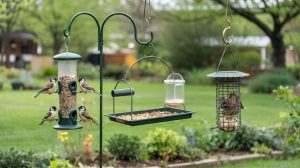
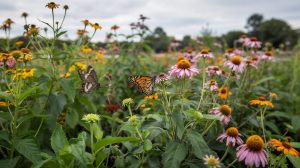
Pollinators like butterflies share many nectar plants with hummingbirds, so a garden designed for one often brings both. Pairing your hummingbird setup with a broader bird feeder strategy extends the wildlife value of the same yard space.
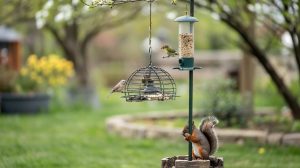
If squirrels become a problem around ground-level water features or feeders, a baffle-equipped feeder pole solves most of it without relocating everything.
Frequently Asked Questions
Native tubular species work best regionally: trumpet honeysuckle in the East, penstemon in the West, and salvia across the South. All produce high-volume nectar in red or orange hues hummingbirds target.
Put feeders out 1–2 weeks before your region's average hummingbird arrival date. In the Southeast, that's late February; in the Midwest and Northeast, aim for early to mid-April.
Clean feeders every time you change nectar — every 2 days in heat above 80°F, every 4–5 days in cooler weather. Use a bottle brush and hot water; soap leaves residue that repels birds.
Yes, but it can take 1–3 weeks. Hanging red ribbon or a potted red flower near a new feeder speeds discovery significantly — hummingbirds scout red and orange objects instinctively during foraging routes.
Yes. Hummingbirds have strong site fidelity and typically return to the same reliable feeding locations year after year. Consistent nectar availability from early spring is the strongest trigger for repeat visits, per Smithsonian research.
Pin it for your next how to attract hummingbirds to your yard project.