A butterfly garden that actually works starts with one decision: growing plants that butterflies need at every stage of their life, not just plants that look pretty to us.
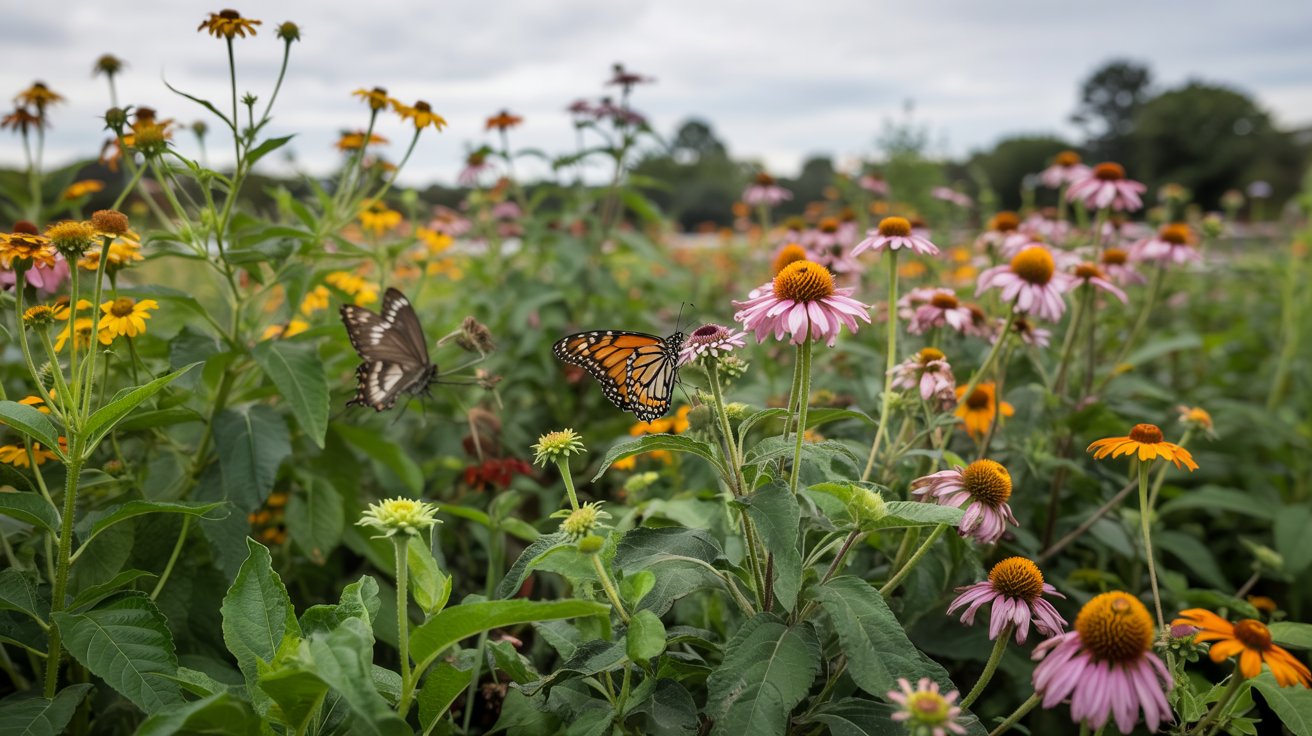
Most gardens fall short because they skip host plants entirely, leaving caterpillars with nowhere to feed and no reason for adult butterflies to stick around.
The good setup combines milkweed for monarchs, native nectar plants with staggered bloom times, and at least one sheltered corner where butterflies can warm up on cool mornings.
You can build this in a standard suburban yard. A 10-by-10-foot sunny bed is enough to get started, and you can expand from there once you see which plants perform best in your conditions.
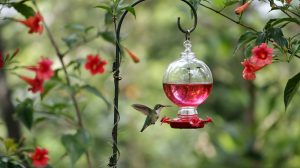
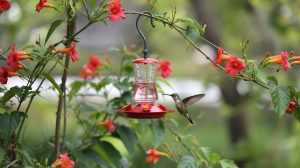
If you already feed wildlife and want to add more layers, pairing a butterfly garden with plants that bring in hummingbirds too stretches your effort across multiple species without much extra work.
According to the UMN butterfly garden guide, annuals bloom across the season and provide a steady nectar supply that keeps butterflies returning from spring through frost.
A successful butterfly garden needs host plants for caterpillars, milkweed for monarchs, and nectar plants staggered from spring through fall. Plan for 6+ hours of sun, a shallow water source, and a pesticide-free zone to support all life stages.
Planning and Site Assessment
Before buying a single plant, walk your yard and find the spot that gets the most unobstructed sun. Butterflies are cold-blooded, so they need warmth to fly and feed - a shaded bed simply won't attract much activity no matter how well-planted it is.
Remember it later
Planning to try this recipe soon? Save it for a quick find later!
According to UMD's butterfly garden planning guide, including host plants alongside nectar sources is what separates a decorative flower bed from a true butterfly habitat. Native plant choices and site conditions both shape whether your garden earns repeat visits or just a flyby.
Systemic pesticides like neonicotinoids persist in plant tissue for weeks. If you buy plants from a nursery, ask whether they've been treated — treated milkweed can harm monarch caterpillars feeding on it.
Plant Palette: Host Plants, Milkweed, and Nectar
Milkweed is non-negotiable for a monarch-friendly garden. Asclepias tuberosa (butterfly weed) and Asclepias syriaca (common milkweed) are the two most widely available native species in the US, and monarch females will only lay eggs on milkweed.
Without it, monarchs have nowhere to reproduce in your yard.
Beyond milkweed, you want nectar plants spread across the whole growing season. The USDA monarch garden guide recommends pairing milkweed hosts with a variety of nectar plants to sustain butterflies from April through October.
| Plant | Role | Bloom Season |
|---|---|---|
| Asclepias tuberosa (Butterfly Weed) | Monarch host + nectar | Summer |
| Asclepias syriaca (Common Milkweed) | Monarch host + nectar | Early summer |
| Phlox divaricata (Wild Blue Phlox) | Nectar | Spring |
| Echinacea purpurea (Purple Coneflower) | Nectar | Summer |
| Lantana camara | Nectar | Summer–fall |
| Symphyotrichum novae-angliae (New England Aster) | Nectar | Fall |
| Zizia aurea (Golden Alexanders) | Swallowtail host + nectar | Spring |
| Fennel / Parsley | Black swallowtail host | Summer |
Single-flowered varieties always outperform doubles for nectar access. Double-flowered cultivars of coneflower or marigold look full but often have reduced or inaccessible nectar, according to the UMN landscape design resource.
Adding Zizia aurea solves two problems at once - it flowers in early spring when little else is open, and it hosts black swallowtail caterpillars. Planting parsley or fennel nearby extends that hosting role through summer.
Plant milkweed in clusters of at least 3 to make it easier for monarch females to locate. Isolated single plants are frequently overlooked during egg-laying flights.

Layout and Habitat Features
A flat, uniform bed is the least useful layout for butterflies. They need warm basking spots, wind protection, and a path from sun to shade that doesn't require crossing open lawn.
Layered planting - short plants at the edge, tall ones at the back - mimics how plants grow at a meadow margin, which is exactly where most butterflies prefer to feed.
Flat stones set in full sun give butterflies a place to warm up on cool mornings, which can extend active feeding time by an hour or more. The Xerces monarch nectar guides highlight staggered bloom timing as critical to sustaining adult butterflies through migration.
Height zoning matters more than most gardeners expect. Place tall plants like Asclepias syriaca and New England aster at the back or north edge so they act as a windbreak.
Short nectar plants like Lantana and coneflower belong front and center where butterflies can access them without fighting wind.
A simple gravel or mulch path through the bed lets you manage summer garden upkeep without stepping on plants or disturbing resting butterflies. Keep the path at least 18 inches wide so you can reach stems for deadheading without trampling edges.
Mud puddles are a real habitat feature, not an accident. Male butterflies gather at muddy patches to absorb minerals and sodium — a behavior called puddling. A small, consistently damp depression near your bed actively attracts them.
Seasonal Care and Monarch-Friendly Practices
Timing your planting and maintenance around the monarch migration makes your garden more useful than one that blooms in a single rush.
Monarchs move north from April through June and south from August through October, so you want nectar and milkweed available on both ends of that window.
The USDA seasonal planting guide for monarch gardens recommends establishing milkweed before early June so that plants are large enough to support egg-laying during the northward migration.
The Minnesota DNR butterfly guide also stresses protecting host plants throughout the season rather than cutting them back at first sign of caterpillar damage.

Troubleshooting and Quick Fixes
The most common complaint is "butterflies visit but never stay." That almost always points to missing host plants. Adults nectar briefly at any flower, but they only linger and reproduce where caterpillar food is available.
Check that you have at least one confirmed host plant for species common in your region.
If caterpillars are stripping your milkweed bare, that's success - not a problem. Heavily fed milkweed will regrow from the roots.
Do not remove caterpillars or relocate them; they need that specific plant to complete their development.
- Drought stress: Wilting nectar plants stop producing nectar even if they look alive. Water deeply at the base every 3 days during dry spells and mulch 2-3 inches around plants to hold moisture.
- Weed competition: Weeds that outcompete young milkweed are a real threat in the first season. Hand-pull weekly until plants are established; avoid hoeing near milkweed roots, which spread laterally.
- Aphid outbreaks on milkweed: Yellow aphids cluster on milkweed but rarely kill it. A sharp spray of water knocks them off without harming caterpillars. Skip insecticidal soap - it is toxic to caterpillars on contact.
- No monarch eggs after weeks: Check whether your milkweed is a tropical variety (Asclepias curassavica). In northern regions, monarchs sometimes avoid this non-native species; replace with A. tuberosa or A. syriaca for better results.
For a broader look at seasonal planting timing across different garden types, our guides cover planting windows by region. If you also want to address squirrels disturbing beds near feeders, information on a squirrel-resistant feeder setup is worth a look.
Gardeners building a full backyard wildlife station often ask which feeders work best alongside pollinator plantings, and comparing hummingbird feeder options is a natural next step once your garden is in bloom.
Frequently Asked Questions
Stagger bloom times with spring phlox, summer coneflower and milkweed, and fall New England aster to provide nectar from April through October in most US zones.
Yes. Monarch females only lay eggs on milkweed species. Without it, monarchs will visit for nectar but cannot reproduce in your yard.
At least 6 hours of direct sun daily. Butterflies are cold-blooded and rely on warmth to fly and feed, making shaded beds far less productive.
Plant milkweed transplants after last frost, aiming to have established plants by early June to support northward-migrating monarchs during egg-laying season.
Species matters. In northern states, native Asclepias tuberosa or Asclepias syriaca are preferable to tropical milkweed (A. curassavica), which monarchs may bypass and which can harbor harmful parasites if left standing year-round.
Pin it for your next how to start a butterfly garden project.